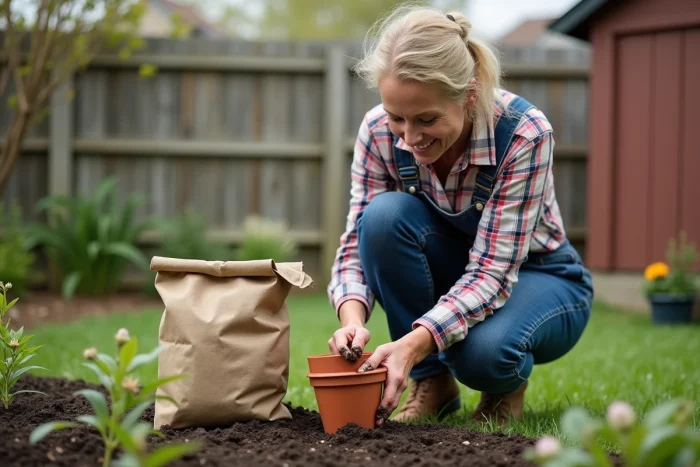
Nothing resembles a simple supermarket label less than the label on a bag of Lidl potting soil. Behind this well-known logo, a discreet product makes its appearance each season on the gardening aisle pallets, ready to shake up the routine of autumn planting.
Flower boxes are filled, and flower beds await their turn: as soon as summer ends, the rush for gardening resumes. Store brands, true to their reputation, display prices that stand out, often 30 to 50% lower than those of specialized garden centers. However, a lower price does not necessarily mean a decline in quality.
Lidl has carved out a unique place for itself thanks to its event operations and a limited but refreshed selection. The house potting soil has become a staple. Customers flock there for two reasons: to save money, of course, but also out of curiosity, even demand. Because behind the discount label, many scrutinize the performance.
Why Lidl potting soil is increasingly appealing to gardeners
The pressure on wallets has never been more intense. Therefore, it’s hard not to stop and consider the quality-price ratio of Lidl’s universal potting soil. Over the seasons, gardeners of all levels dissect the composition, texture, and versatility. Their criterion? A substrate capable of nourishing both potted plants and flower beds all year round. In this regard, the Lidl potting soil for planting has found its place: tight price, but performance that is anything but a lottery.
What makes it successful is its ability to meet almost all uses. Repotting green plants, sowing vegetables, maintaining the vegetable garden or flower beds: often, one bag is enough, limiting the number of products to store in the shed. The initial trials are clear: the structure is well-balanced, and the substrate remains aerated. The result? Roots breathe and anchor without obstruction, even where other entry-level potting soils suffocate young shoots.
The price leaves little room for competition. At under 4 euros for 40 liters, it’s hard to do better. But at this price, quality remains scrutinized. Presence of organic fertilizer, good water retention capacity, neutral smell: all reassuring signals for broad family use. Stocks mainly sell out in spring and autumn. This offers a solution for those who refuse to bow to the prices of high-end potting soils. On the ground, many praise the effectiveness of Lidl potting soil, especially during key planting periods.
What tips to succeed in your autumn planting with Lidl products?
When the light fades and the air becomes mild, autumn signals the time to rethink the garden. The Lidl potting soil then becomes the versatile companion for gardeners, from pots to perennial flower beds. The key to success? Adapting each action to the reality of the soil and the specific needs of each plant.
Preparing the soil and containers
Before planting, here are the essential steps to optimize the use of potting soil:
- Aerate the soil to a depth of 15 to 20 cm, especially if it sticks or compacts easily.
- Incorporate the universal potting soil into the existing soil to improve structure and increase water retention.
- In boxes or planters, ensure proper drainage: a layer of clay balls or gravel at the bottom before adding the potting soil limits excess moisture.
The choice of plants determines the success of the plantings. Perennials, small shrubs, root vegetable sowing: all benefit from planting in autumn, the ideal time for solid rooting before the cold arrives.
Watering immediately after planting remains crucial to support recovery. Also monitor soil moisture, especially if the weather remains dry. Indoors, consider repotting or renewing the top layer of the substrate: a little fresh touch that boosts plant nutrition.
As an amendment, Lidl potting soil brings flexibility and vitality to the soil. For those seeking balance and results, autumn becomes a favorable period, synonymous with dynamism and plant renewal.
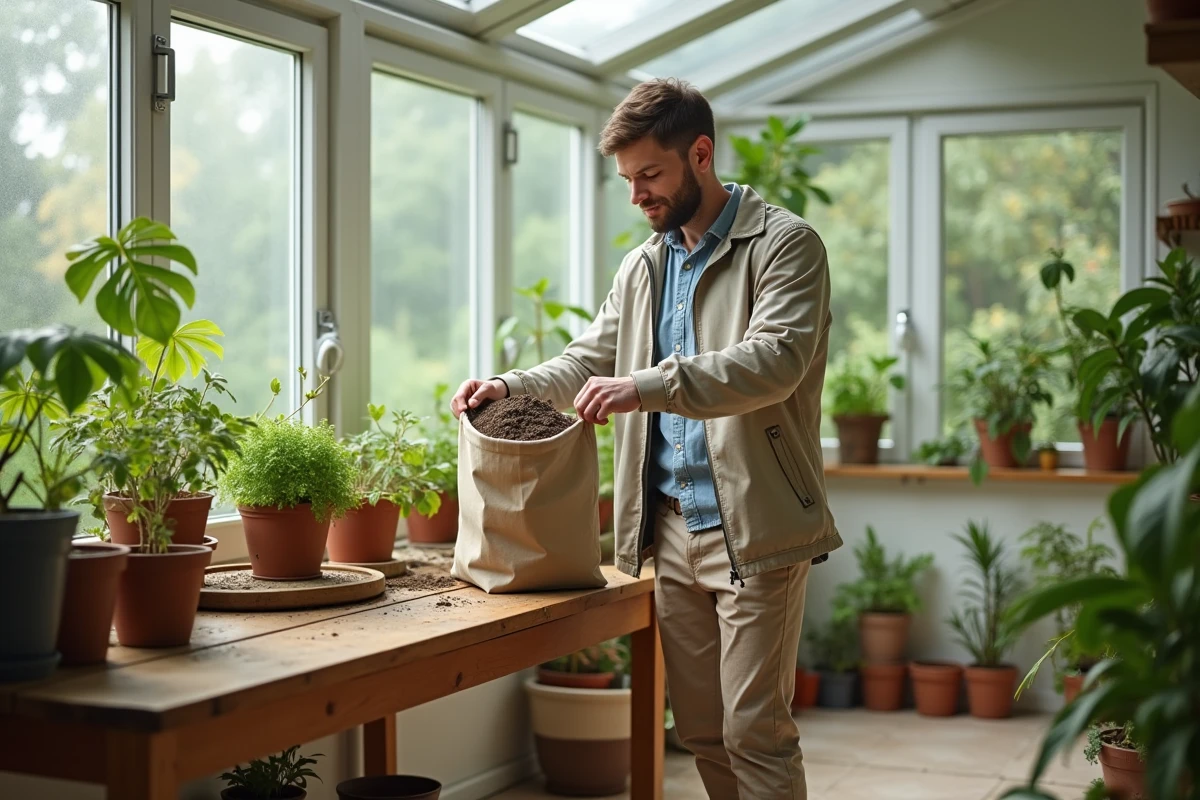
Plants and shrubs to prioritize for a successful autumn
The choice of species shapes the garden from autumn, as the soil remains welcoming and the more humid ground favors lasting establishment. Perennials win the day thanks to their robustness and ability to settle in for the long term. Lavenders, sages, daylilies, rudbeckias: each thrives in a well-prepared universal potting soil and promises a dense, vibrant garden ready to burst with colors in the beautiful days.
In the vegetable garden, root vegetables and herbs stand out. Carrots, beets, parsley, chives: these classics benefit from a soft, rich substrate, where young plants root effortlessly. The potting soil provides the lightness and nutrients necessary for a good start.
In the flower beds, some shrubs become the pillars of the season. Camelias offer unexpected flowers in winter, while forsythia is already preparing for its spring explosion of yellow. Dogwoods and spireas stand out for the vibrancy of their colors and endurance.
To promote biodiversity, nothing beats adding nectar-rich flowers. Asters, sedums, yarrow attract bees and butterflies, loyal allies of a vibrant garden. By alternating structural plants and flowering species, you ensure the health and diversity of your flower beds while benefiting from an adapted substrate. Autumn, far from signaling a pause, then becomes the starting point for new cycles and all the promises of the garden.