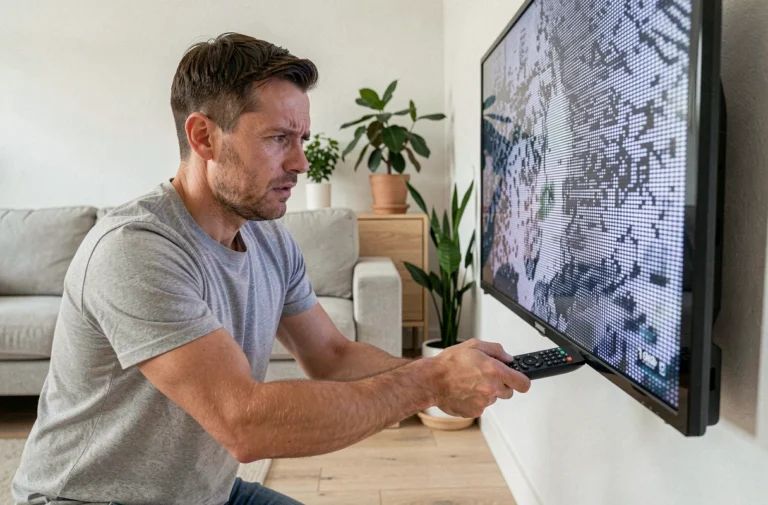
Daily entertainment is not just a list of interchangeable activities. What distinguishes a satisfying routine from a feeling of repetition is the ability to vary the cognitive registers engaged from one day to the next, combining physical effort, creative stimulation, and social interaction.
Cooperative and multiplayer games: the underestimated social entertainment
Video gaming is still perceived as a solitary activity by a large part of the public. Data from SELL shows that French gamers often play together, online or locally, and this habit crosses age groups and genders.
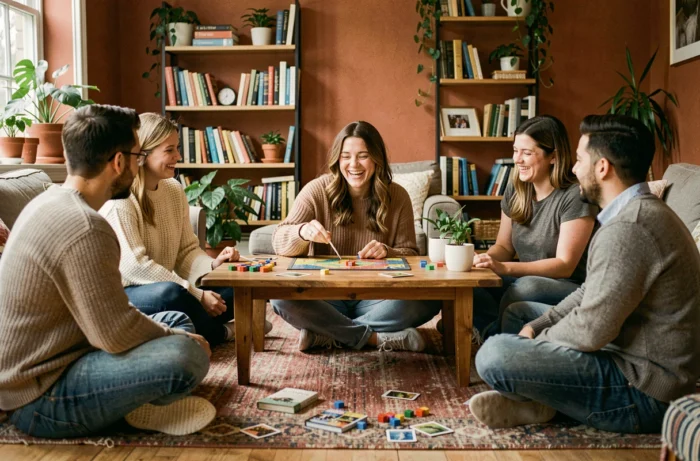
Cooperative games on console or PC (like Overcooked, It Takes Two, or the cooperative modes of recent titles) transform an ordinary evening into a collective moment. The principle also works off-screen: modern board games with cooperative mechanics (Pandemic, The Crew, Hanabi) require communication and shared strategy.
To organize an effective multiplayer evening, a few criteria make a difference:
- Choose a game whose rules can be explained in under five minutes, or risk discouraging casual players
- Favor short formats (20 to 40 minute games) that allow for refreshing without fatigue
- Alternate between physical and digital games in the same evening to vary postures and interactions
Platforms like sedivertir.eu list leisure ideas suited to these hybrid formats, allowing for renewed evenings without always starting from scratch.

Proximity physical activity: themed walks and urban micro-adventures
A survey by the Institut Paris Region conducted in 2024 among residents of Île-de-France confirms the place of walking and running as dominant practices, with proximity to home as the main selection criterion. This observation extends well beyond the Paris region.
Themed walks advantageously replace mindless jogging. The principle: set an observation goal (count the colorful doors in a neighborhood, photograph typographic signs, spot fruit trees in the city). This framing transforms a mundane journey into an exercise in attention.
The urban micro-adventure takes the logic further. One sets an unknown destination 30 or 45 minutes away on foot, chooses a route never taken before, and documents the journey. The physical effort remains moderate, but the cognitive stimulation is real.
Running and discovery routes without equipment
For those who prefer running, loop courses with weekly variations break the monotony. Changing direction, adding a detour through a park or a shopping street, incorporating stair climbs: these adjustments are enough to rekindle interest without altering the duration of the outing.
The goal is not performance but regularity. A physical activity that naturally integrates into daily life (walking to the store, taking a walking lunch break) produces more lasting effects than a planned session that ends up being postponed.
Learning in the kitchen: transforming an ordinary meal into a creative activity
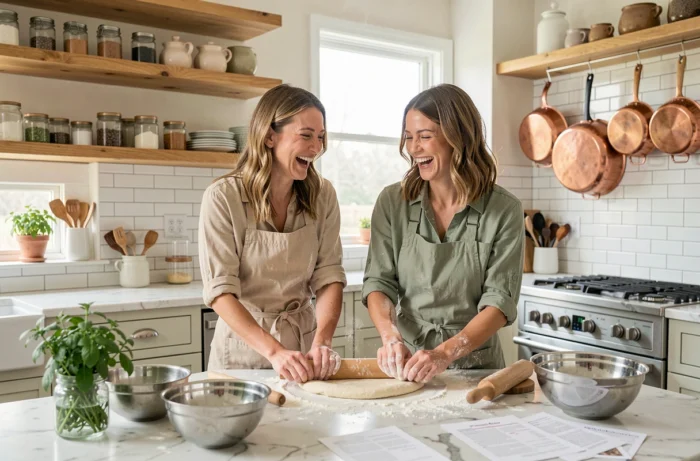
Daily cooking becomes a lever for entertainment as soon as one steps out of the usual repertoire. Testing a recipe from a foreign cuisine each week requires searching for ingredients, understanding different techniques, and engaging taste in a new way.
The “constraint challenge” format works particularly well. One sets a rule (cooking only with what remains in the pantry, reproducing a dish seen online without a written recipe, preparing a complete meal in under 30 minutes) and observes the result. This playful framework works both alone and with family, and children find an active role in it.
Online courses and neighborhood workshops
Libraries now offer collective culinary workshops that go beyond simple cooking classes. Some organize sessions around a local ingredient or a seasonal theme, with a cultural dimension (the history of a dish, the geography of an ingredient). These free or low-cost formats remain underutilized compared to paid online courses.
For those who prefer to learn alone, long video tutorials (over 15 minutes, with explanations of technical gestures) are better than short formats that skim over the steps. Progress is measured in mastery of techniques, not in the number of recipes accumulated.
Cultural activities accessible without a planned outing
Cultural practices are gradually shifting towards more flexible formats, integrated into daily life rather than organized around an event outing.
Several museums maintain high-quality virtual visits, accessible for free. The interest in these visits increases when approached as a real dedicated moment (headphones, proper screen, note-taking) rather than as distracted scrolling between two tasks.
- Choose a temporary exhibition rather than a permanent collection: the content is more focused and the duration shorter
- Complement the visit with a podcast or documentary about the same artist or period, to anchor what has been seen
- Alternate between visual arts, music, and literature from one week to the next to avoid saturation of a single register
Daily cultural entertainment relies on micro-doses rather than event outings. Twenty minutes of attentive listening to an album, reading a complete short story, or watching a short film produces a break effect comparable to an outing, without logistical constraints.
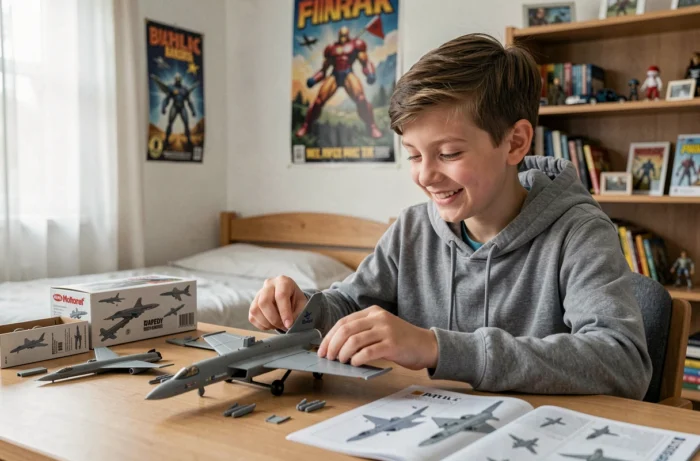
The quality of daily entertainment depends less on the quantity of available activities than on the ability to vary cognitive and physical registers from one day to the next. A cooperative game on Tuesday, a themed walk on Thursday, a cooking challenge on Saturday: three appointments are enough to break the routine without turning the agenda into an industrial leisure program.