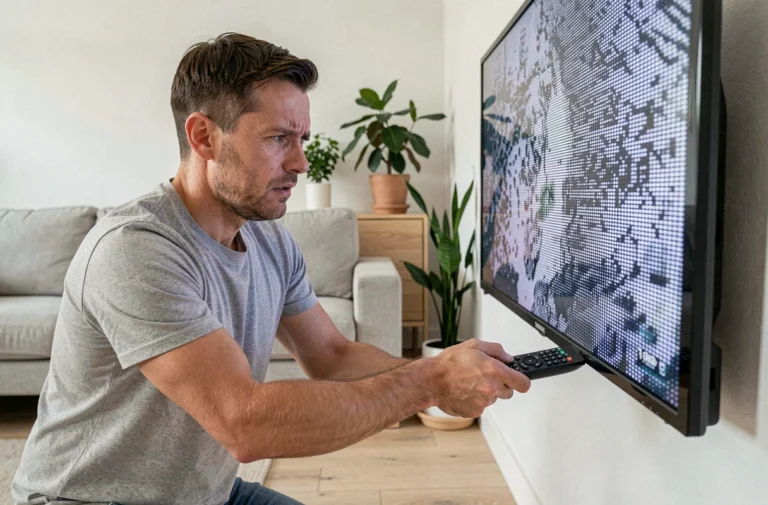
A child sits for an average of more than seven hours a day, while the World Health Organization recommends at least sixty minutes of daily physical activity. Yet, the gap between these recommendations and reality continues to widen, to the detriment of health and concentration.
What once seemed reserved for an elite or specific contexts is now open to everyone. Today, teachers, parents, and educators have a wide range of options to bring movement back to the heart of daily life. There’s no need to aim for performance or invest in sophisticated equipment: physical activity simply invites itself, adapting to all rhythms, without prerequisites or technical constraints.
Why physical activity is essential at every age and in all contexts
Being active regularly means taking care of oneself even before the first warning signs appear. The recommendations from the World Health Organization are clear: every age matters, and every moment of movement brings its share of benefits. From children to seniors, action makes health tangible and keeps the body alive, far from the role of a stationary spectator.
Engaging in activities as a family is not just about adding up physical efforts or counting burned calories. It’s about sparking collective good humor. We laugh, we challenge each other, we encourage one another: this results in connection, but also a tangible sense of calm. Stress decreases, confidence emerges, and even sleep becomes more restorative. For the younger ones, every opportunity to move develops motor skills. For adults, it’s a way to recharge their batteries. For seniors, mobility and balance are preserved, along with autonomy.
To combat sedentariness, it is primarily about adopting small routines that can be integrated everywhere: walking in the park, cycling, organizing a mini-course, or simply enjoying outdoor activities. To gather practical and varied tips for getting the whole family moving, the site https://www.sportivoz.fr/ offers a wealth of concrete and adaptable ideas, without pressure regarding skill level or experience. Focusing on variety gives everyone the opportunity to engage at their own pace and reconnect with the joy of movement.
Moving is not just checking a box. It’s about creating generational bonds, sharing moments that strengthen the family, and laying the foundations for robust health, both physical and mental. This is how a collective dynamic is born, stronger and more vibrant, resolutely oriented towards the future.
How to choose sports activities suitable for family, class, or group
To ensure everyone finds their place and that the activity is a shared pleasure, it’s better to opt for exercises that take into account the age, desires, and energy of all. Focus on different universes: children, teens, adults, and seniors can all find something for themselves. The key? Drawing inspiration from physical literacy, which means multiplying opportunities to move to naturally acquire agility, coordination, and bodily ease.
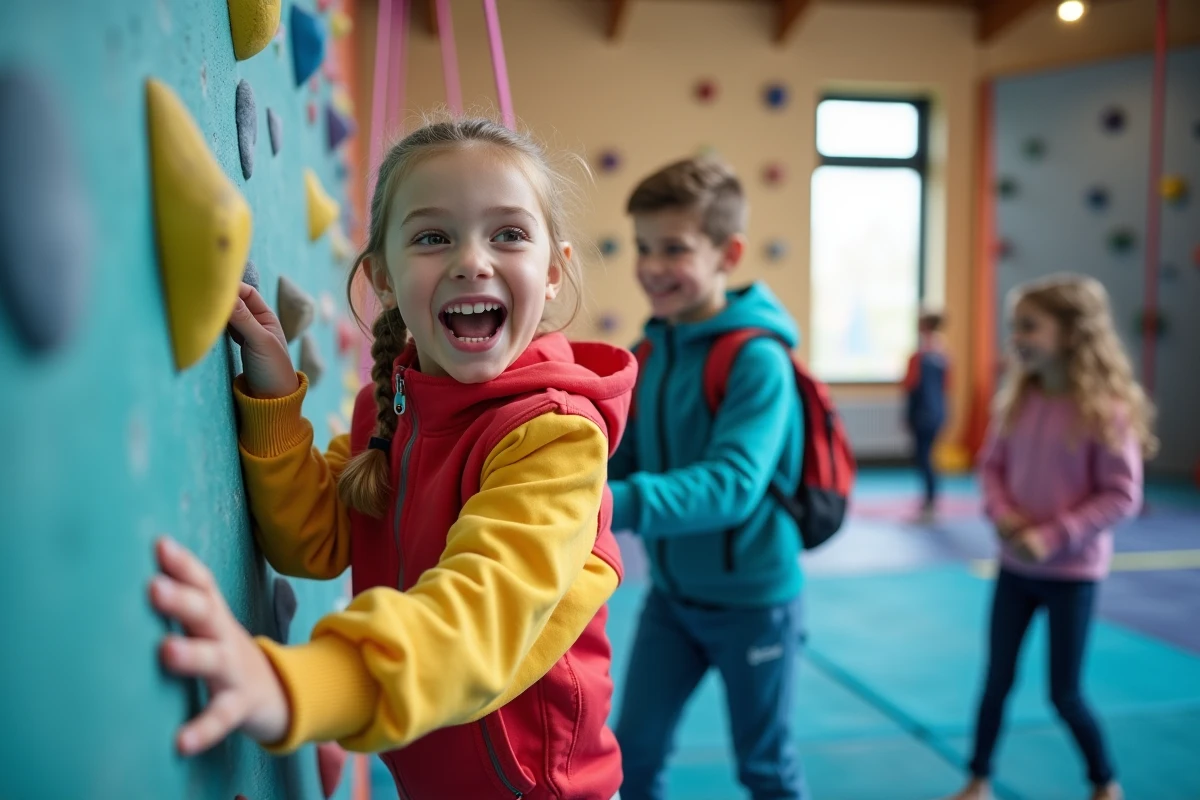
Team games are ideal for strengthening cohesion: classic team sports (soccer, basketball, volleyball…), dance, yoga, free choreography, or even hiking, tree climbing, or walks in nature. For the little ones, nothing beats motor skills courses, baby gym, or frisbee, always in a mode of discovery and fun.
Before choosing, some guidelines help vary activities and ensure participation from everyone:
- Accessibility: prioritize games and sports open to all, without leaving anyone behind.
- Supervision: involve an adult or coach to create a safe and stimulating environment.
- Experimentation: regularly propose new activities, try together, and stay in discovery mode.
These ingredients nourish collective motivation and the desire to repeat. By varying practices and contexts, whether at home, at school, or in a community, everyone discovers what suits them, gains confidence, and grows through movement.
Concrete ideas and resources for easily integrating sports into daily life
Establishing a real sports routine sometimes just requires a small adjustment. Start by promoting walking: going to school or doing some shopping can already count. Favor cycling for short trips, set a fixed time for physical activity each week, and all this adds up over the long term.
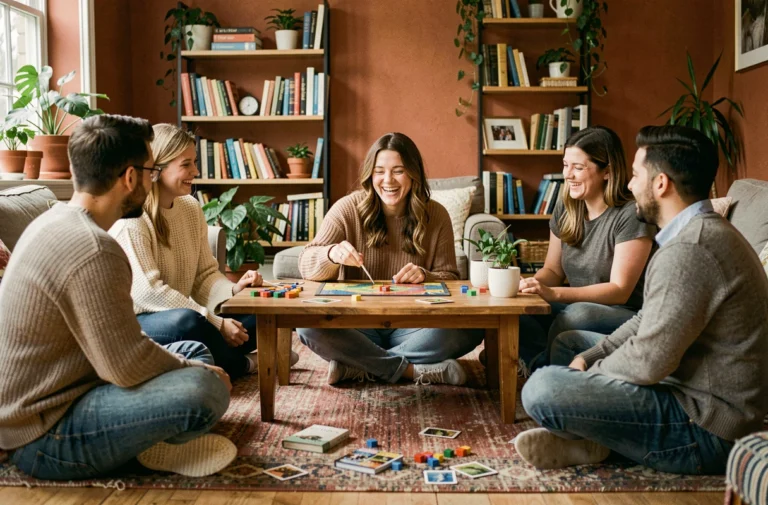
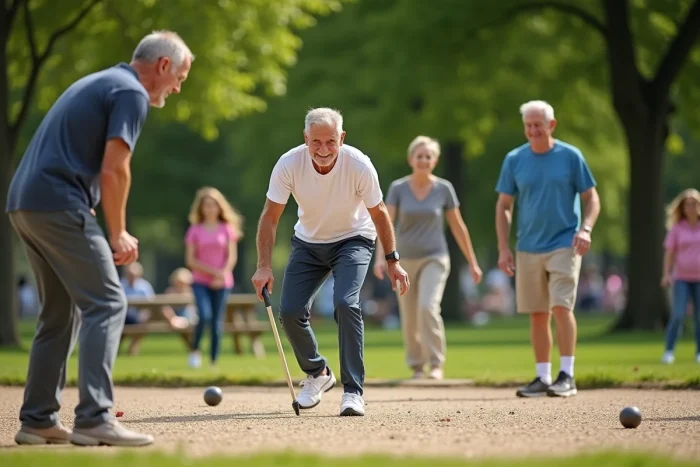
In the family context, home collective games are making a comeback: relays in the garden, dodgeball, an impromptu frisbee game. When the weekend arrives, hiking, biking, or a light jog accessible to all become sources of memories. Throughout the seasons, activities vary: sliding sports in winter, mini-golf in summer, archery or pétanque for a change. Also, take advantage of vacations to try out new activities together, such as rowing or stand-up paddleboarding.
Team sports become more engaging when they have meaning: plogging, for example, allows you to run while picking up litter, combining physical activity with environmental action. Participating in an eco-trail is a way to combine the useful with the pleasant, while instilling in the younger ones the desire to preserve their playground.
Limiting screen time involves establishing new family rituals: a weekly sports outing, a monthly collective challenge, involvement in a local race. It is this set of practices that ensures friendliness, the desire to repeat, and, above all, makes sports accessible to everyone, with pleasure and spontaneity.
Sometimes, all it takes is a simple appointment to change the game: a walk, a spontaneous game, a challenge accepted by several. Little by little, the habit sets in, movement becomes natural, and daily life is truly transformed.