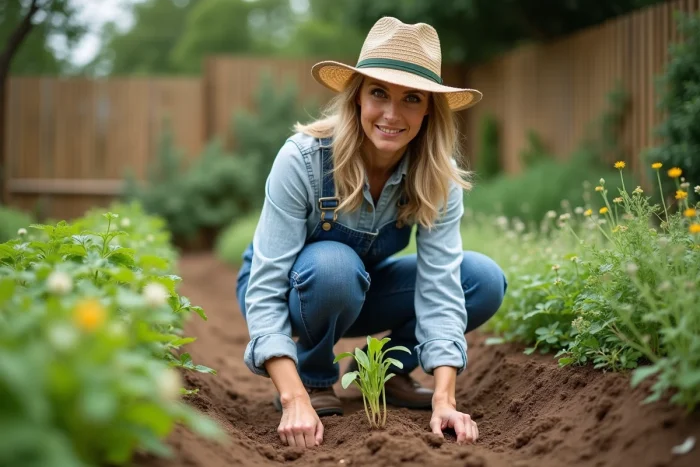
Coffee grounds enrich the soil, but their excess blocks nitrogen and hinders the growth of young shoots. A soil covered with mulch limits the appearance of weeds, but sometimes delays the spring warming that certain crops need.
Chemical treatments promise abundant harvests, but accelerate the depletion of underground life. In contrast, green manures nourish the soil in the long term, while requiring patience and observation.
Why natural gardening is attracting more and more enthusiasts
Organic gardening is strongly asserting itself among those looking to find meaning, far from yield at all costs. Choosing natural gardening means reconnecting with living cycles, attentive gestures, and a biodiversity that cannot be reduced to a trendy word. Through shared experiences, biodiversity is becoming a priority. A varied vegetable garden, rich in companion plants and local or heirloom varieties, promotes the robustness of crops and attracts valuable allies.
The more plants there are, the more wildlife follows. Sowing borage, marigolds, or phacelia provides cover for hoverflies, lacewings, ladybugs, ichneumon wasps, or anthocorid bugs, all valuable allies against pests. The natural garden then becomes a refuge, where harvesting is envisioned differently: without depleting the soil, without destroying what lives beneath.
Aromatic plants, on the other hand, play on two fronts. They enhance dishes and protect the vegetable garden: lavender against aphids, borage to deter slugs, marigolds as a barrier against tomato nematodes. At every corner of the garden, these alliances form a living laboratory where each species finds its place.
At a time when digital technology is shaking up habits, gardening apps facilitate planning, managing rotations, and choosing the best associations. To go further, the page ‘Gardening Naturally – The Garden Differently’ on https://www.jardiner-naturellement.org/ gathers advice and feedback to start, enrich, or rethink your organic vegetable garden, without ever sacrificing the health of the soil or that of those who cultivate it.
What simple actions can be taken to cultivate healthily without chemicals?
The key to a healthy garden? Start by caring for the soil’s fertility. Compost, made from peels and garden waste, continuously nourishes the earth and energizes all underground life. Introducing this organic matter gives vegetables the necessary boost, without relying on chemical fertilizers.
Mulching retains moisture, limits weeding, and protects beneficial organisms. By placing dead leaves, straw, or grass clippings at the base of crops, you keep the soil cool, space out watering, and reduce evaporation. Measured watering, with collected rainwater, complements these actions to conserve resources.
Some key practices to adopt:
- Crop rotation: alternating the location of vegetable families each year prevents soil fatigue and limits the proliferation of diseases.
- Companion planting: pairing the right plants, such as borage near strawberries or marigolds at the feet of tomatoes, naturally repels many pests.
- Manual weeding: removing weeds by hand protects the soil structure and slows the spread of pathogens.
- Natural biostimulants: plant extracts, decoctions, or infusions strengthen plant resistance and contribute to their defense against pests.
When put into practice, these methods turn the vegetable garden into a nourishing space, respectful of biodiversity and sustainable. To go further at every stage, from seed to harvest, the page Gardening Naturally – The Garden Differently guides gardeners towards healthy harvests, without resorting to chemical products.
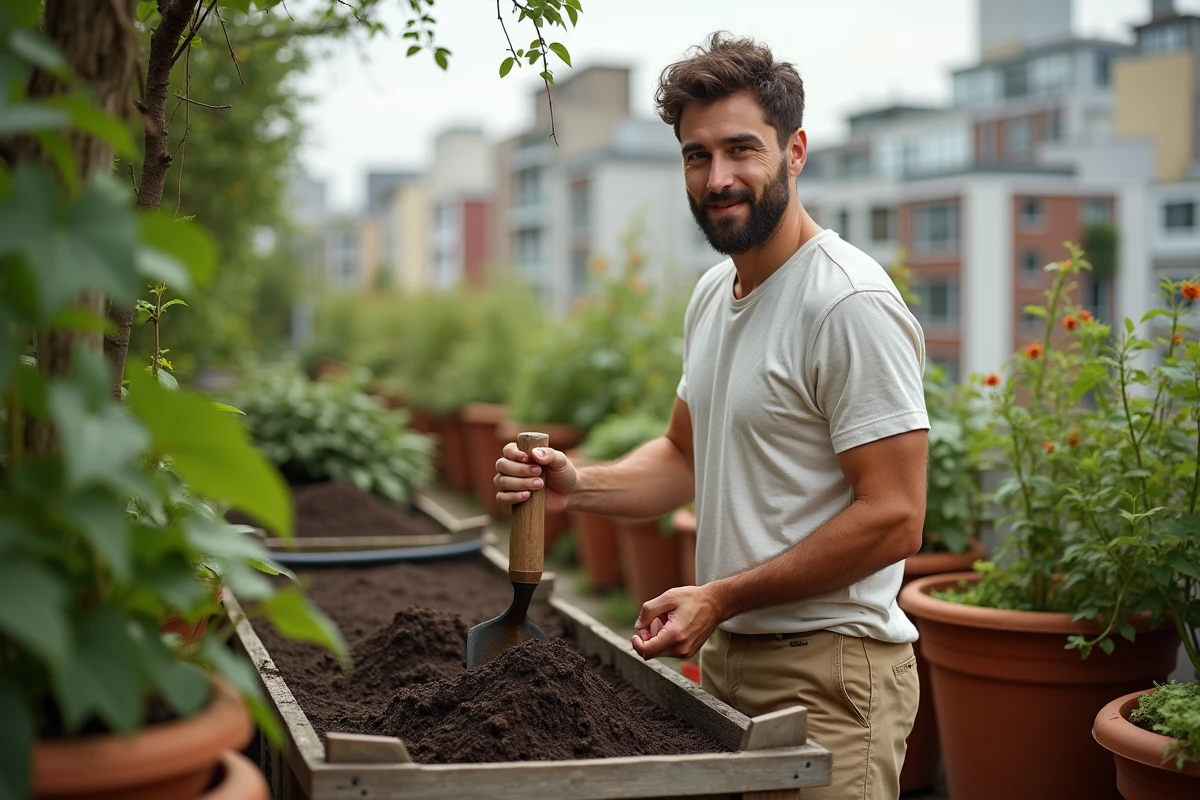
Focus on essential techniques for an ecological and productive vegetable garden
The soil is the foundation. Its structure determines the vigor of the crops, whether it is clayey, calcareous, acidic, or loamy. Earthworms, discreet but decisive, transform organic waste into nutrients and aerate the soil. To preserve this life, it is better to give up deep digging and prioritize the addition of worm compost or green manures.
The diversity of vegetables acts as insurance. Local varieties adapt to the soil and climate, and resist diseases better. Heirloom varieties often offer more pronounced flavors, while hybrids draw attention for their ability to store better. A well-thought-out sowing calendar allows for alternating fruiting vegetables, roots, or leaves, optimizing rotation and space.
In the face of capricious soils, permaculture mounds, lasagna gardening, or raised beds make the task easier. Installing Ollas ensures targeted and gentle irrigation. Cherry tomatoes require maximum light, while carrots can tolerate a bit of shade.
In the end, each technique, each plant choice, and each small soil fauna shapes a healthy vegetable garden, a space where biodiversity expresses itself and where the future of the garden is built, season after season, guided by hands and life.